High-Purity Potassium Tetrachloropalladate(II) from Aure Chemical – Your Trusted Source
Potassium tetrachloropalladate(II), K₂[PdCl₄], CAS No. 10025-98-6, is a highly soluble anionic palladium(II) complex widely recognized as a convenient precursor in palladium-catalyzed transformations. Supplied by Aure Chemical as reddish-brown to dark brown crystalline powder with high palladium content (approximately 35–36% Pd), this air-stable salt readily provides [PdCl₄]²⁻ ions in aqueous or polar media. It serves as an efficient starting material for generating active Pd(0)/Pd(II) species in cross-coupling reactions (Suzuki, Heck, Sonogashira, Negishi), C–H activation, allylic substitution, and palladium nanoparticle synthesis, as well as for electroless palladium plating and organometallic complex preparation. Its superior water solubility compared to PdCl₂ makes it preferred for aqueous-phase catalysis, scale-up processes, and applications requiring minimal organic solvent use. Aure Chemical delivers precise Pd assay, low impurity profiles, and secure palladium sourcing to ensure batch consistency and optimal performance in pharmaceutical, fine chemical, and electronics industries worldwide.
Basic Information of Potassium Tetrachloropalladate(II)
Aure Chemical supplies Potassium Tetrachloropalladate(II) as a premium-grade anionic Pd(II) precursor with verified palladium content and exceptional purity for catalytic and plating applications.
| CAS No. | 10025-98-6 |
|---|
| EC No. | 233-049-3 |
|---|
| Chemical Formula | K2PdCl4 |
|---|
| Molecular Weight | 326.32 g/mol |
|---|
| Appearance | Reddish-brown to dark brown crystalline powder |
|---|
| Odor | Odorless |
|---|
| Melting point | Decomposes before melting (>300 °C) |
|---|
| Boiling point | Not applicable (decomposes) |
|---|
| Density | approx. 2.8–3.0 g/cm³ |
|---|
| Solubility | Highly soluble in water (>500 g/L); soluble in methanol, ethanol, acetone |
|---|
| Nature (hazards) | Causes severe skin burns and eye damage, may cause allergic skin reaction, harmful if swallowed, toxic to aquatic life with long lasting effects |
|---|
| RIDADR | UN 3288, Toxic solid, inorganic, n.o.s. (Potassium tetrachloropalladate(II)), Class 6.1, Packing Group III |
|---|
| Chemical Structure | 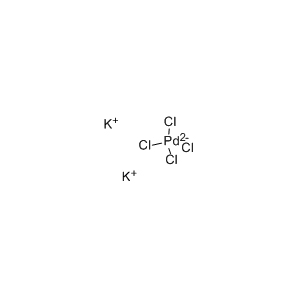 |
|---|
Aure Chemical offers customizable options including purity grades (99%+ Pd basis), controlled hydration, and specialized packaging to suit your catalyst synthesis, plating bath, or aqueous-phase process needs.
Primary Applications of Potassium Tetrachloropalladate(II)
Potassium Tetrachloropalladate(II) functions as an efficient, water-soluble Pd(II) precursor for generating active palladium species in diverse catalytic and materials processes.
Cross-Coupling Catalyst Preparation
Serves as a preferred Pd source for in-situ generation of precatalysts in Suzuki-Miyaura, Heck, Sonogashira, and Negishi couplings, especially effective in aqueous or biphasic systems for pharmaceutical intermediates.
Palladium Nanoparticle & Colloid Synthesis
Enables controlled reduction to produce stable Pd nanoparticles, sols, or supported clusters for electrocatalysis, hydrogenation, and sensor applications with excellent size control.
Electroless Palladium Plating
Provides Pd(II) ions for autocatalytic deposition of uniform palladium layers on electronics, connectors, and PCBs, delivering superior adhesion and corrosion resistance.
Organometallic Palladium Complex Synthesis
Acts as starting material for preparing Pd(II) complexes with phosphines, carbenes, amines, or other ligands in homogeneous catalysis and materials development.
C–H Activation & Functionalization
Facilitates Pd-catalyzed direct C–H arylation, halogenation, and olefination in aqueous media, supporting greener synthetic routes to complex molecules.
Aqueous-Phase & Green Catalysis
Supports palladium-catalyzed reactions in water, reducing organic solvent use and enabling environmentally friendlier processes in fine chemical and pharmaceutical production.
Why Choose Aure Chemical for Your Potassium Tetrachloropalladate(II) Supply?
Choose Aure Chemical for Potassium Tetrachloropalladate(II) to access superior solubility, technical expertise, and dependable palladium supply tailored to your Pd-based applications.
Precise Palladium Content & Purity
Advanced quality assurance ensures uniform Pd content, low residual impurities, and batch consistency for reliable catalyst or plating performance.
Secure Precious Metal Sourcing
Transparent, responsible procurement with inventory buffering to provide supply stability and competitive pricing in fluctuating palladium markets.
Technical Process Support
Dedicated specialists offer guidance on dissolution, reduction protocols, plating bath optimization, and aqueous catalysis for enhanced efficiency.
Full Regulatory Compliance
Comprehensive COA, REACH, RoHS, and SDS documentation to facilitate seamless integration into global operations and regulatory requirements.
Sustainability & Recycling Commitment
Ethical sourcing practices and palladium recovery/recycling programs aligned with ESG goals and sustainable chemistry principles.
Hazards Classification
GHS Classification: Skin Corrosion/Irritation (Category 1B); Serious Eye Damage (Category 1); Skin Sensitization (Category 1); Acute Toxicity, Oral (Category 4); Aquatic Chronic (Category 2)
Hazard Statements: H314: Causes severe skin burns and eye damage; H317: May cause an allergic skin reaction; H302: Harmful if swallowed; H411: Toxic to aquatic life with long lasting effects
UN Number: UN 3288
Hazard Class: 6.1 (Toxic substances)
Packing Group: III
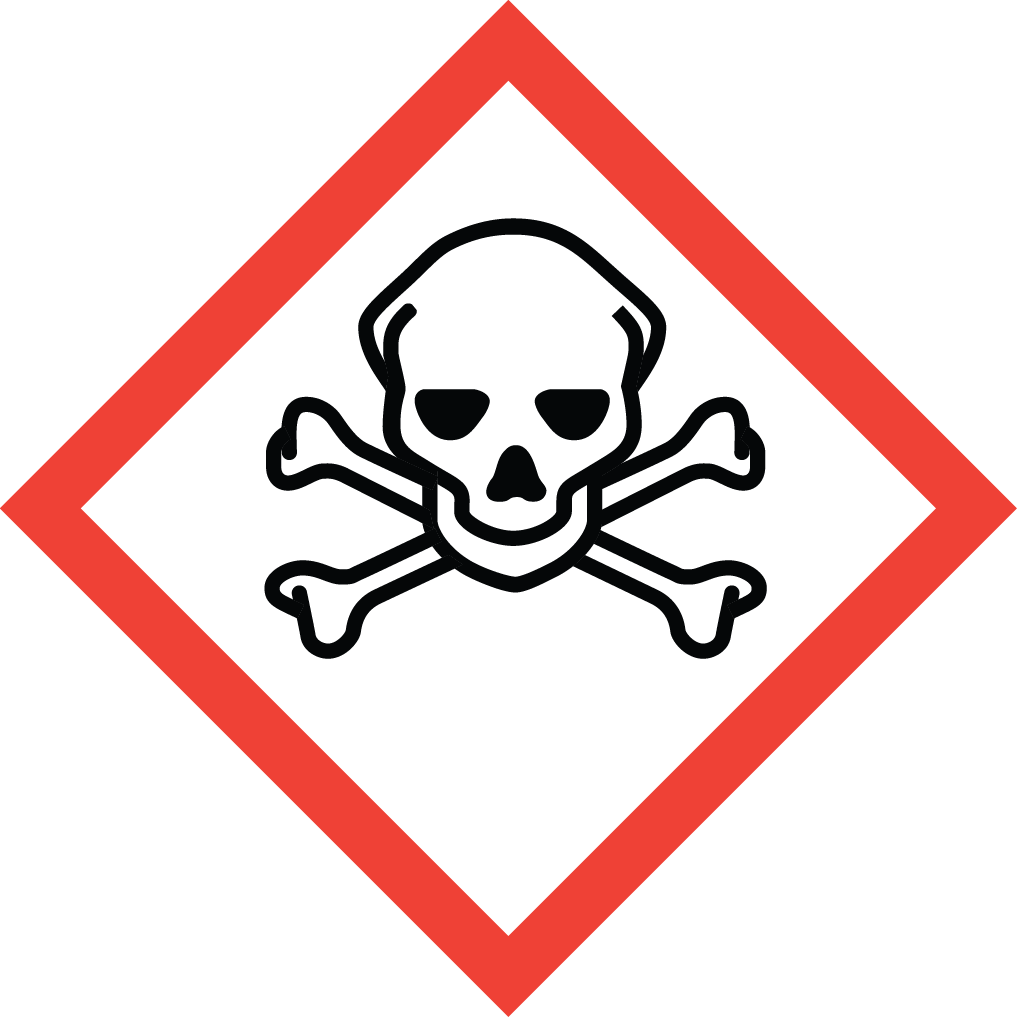 GHS06: Acute toxicity
 GHS05: Corrosive
 GHS07: Exclamation mark (sensitizer)
 GHS09: Environment (aquatic toxicity)