
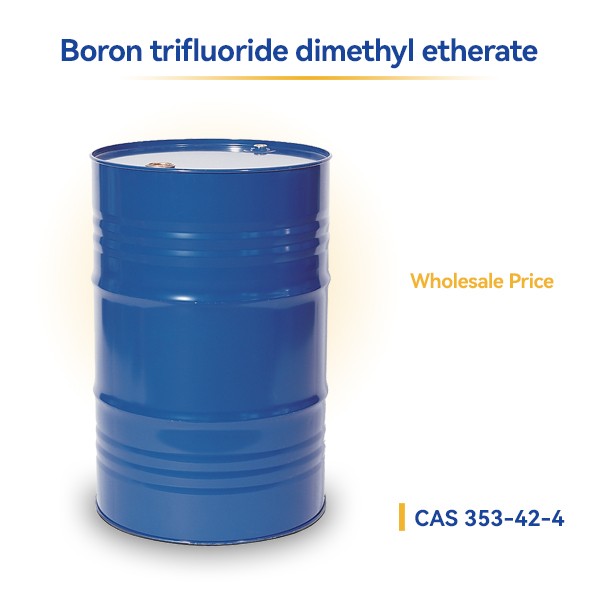
Boron trifluoride dimethyl etherate CAS 353-42-4
Aure Chemical: Trusted Source of Hexamethyldisilane CAS 1450-14-2
Hexamethyldisilane is a compact organodisilane with a silicon–silicon bond and six methyl groups, typically handled as a colorless, highly flammable liquid. It is used as a trimethylsilyl source in organic synthesis and as a silicon-containing precursor in vapor-deposition work. Aure Chemical supplies Hexamethyldisilane (CAS 1450-14-2) for industrial synthesis and electronics-related customers who require documented quality and export-ready documentation.
Basic Information of Hexamethyldisilane
The values below follow widely cited laboratory and catalog references. They are intended for identification, handling review, and procurement screening rather than as a substitute for a current specification sheet.
| CAS No. | 1450-14-2 |
|---|---|
| EC No. | 215-911-0 |
| Linear Formula | (CH3)3SiSi(CH3)3 |
| Molecular Weight | 146.38 |
| Appearance | Colorless liquid |
| Melting Point | 9–12 °C (lit.) |
| Boiling point | 112–114 °C (lit.) |
| Density | 0.715 g/mL at 25 °C (lit.) |
| RIDADR | UN 1993 3/PG II |
| Chemical Structure | 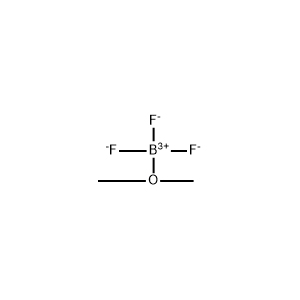 |
Key Applications of Hexamethyldisilane
Silylating reagent in organic synthesis: Hexamethyldisilane is used as a trimethylsilyl source for allylic acetates, aryl halides, diketones and related substrates, offering an alternative to chlorotrimethylsilane in selected silylation procedures.
CVD precursor for silicon-containing films: It serves as a vapor-phase source material for chemical vapor deposition of silicon carbide and other silicon-containing thin films in electronics and materials processing.
Building block for organosilicon intermediates: The Si–Si bond provides a compact route into silasubstituted organic molecules and other specialty organosilicon structures used in laboratory and industrial synthesis.
Reducing aid and co-catalyst: Combined with fluoride sources, it is employed in the reduction of aromatic nitro compounds and as a co-catalyst or regenerating reagent in selected palladium- and rhodium-catalyzed transformations.
Process solvent-compatible organosilane: It dissolves in common organic solvents such as alcohols, ether and acetone, which supports its use in formulated reaction media and controlled laboratory-scale processing.
Aure Chemical: Your Reliable Partner for Hexamethyldisilane Supply
Specification-driven quality control: Material is sourced and checked against defined assay expectations so silylation and deposition users can work with a consistent organodisilane profile from lot to lot.
International flammable-liquid logistics: Export shipments are arranged through established channels that accommodate Class 3 packing and destination-specific transport requirements.
SDS and transport documentation: Current SDS, COA and UN 1993 dangerous-goods paperwork are available to support industrial purchasing and incoming compliance review.
Packaging options for lab and bulk use: Support is available for selecting sealed containers suited to this low-flash-point liquid, from research packs through larger industrial quantities.
Hazards Classification
GHS Classification: Flammable liquid (Category 2, GHS02); Eye irritation (Category 2, GHS07); Skin sensitization (Category 1, GHS07); Specific target organ toxicity — single exposure, respiratory tract irritation (Category 3, GHS07). Respiratory sensitization (H334, GHS08) is also notified on some C&L / SDS records.
Hazard Statements: H225 Highly flammable liquid and vapor; H317 May cause an allergic skin reaction; H319 Causes serious eye irritation; H335 May cause respiratory irritation.
UN Number: UN 1993 (Flammable liquid, n.o.s.)
Hazard Class: 3 (Flammable liquids)
Packing Group: II


Packaging, Logistics & Compliance Capabilities
Aure Chemical provides flexible packaging solutions, compliant logistics arrangements, and controlled storage practices to support laboratory-scale, pilot-scale, and commercial-scale global supply.
Packaging Options
- 25 kg / 50 kg bags (fiber drum, aluminum bag, HDPE drum)
- 100 kg / 200 kg steel or HDPE drums
- 500 kg / 1000 kg IBC containers
- Bulk liquids in ISO tank containers
- Customized packaging upon request
Transportation Modes
- Sea freight (FCL / LCL)
- Air freight for selected products
- Road and rail transportation
- Dangerous & non-dangerous cargo handling
- Incoterms: EXW, FOB, CFR, CIF, DAP, DDP
Storage & Handling
- Dry, cool, and well-ventilated warehouses
- Segregation by hazard class
- FIFO inventory management
- Temperature-controlled storage if required
- Regular inspection & labeling control
Documentation & Compliance
- Safety Data Sheet (SDS)
- Certificate of Analysis (COA)
- Dangerous Goods Declaration (DGD)
- Packing List & Commercial Invoice
- IMDG / IATA / ADR compliant labeling
For packaging customization or logistics consultation, please contact us.