
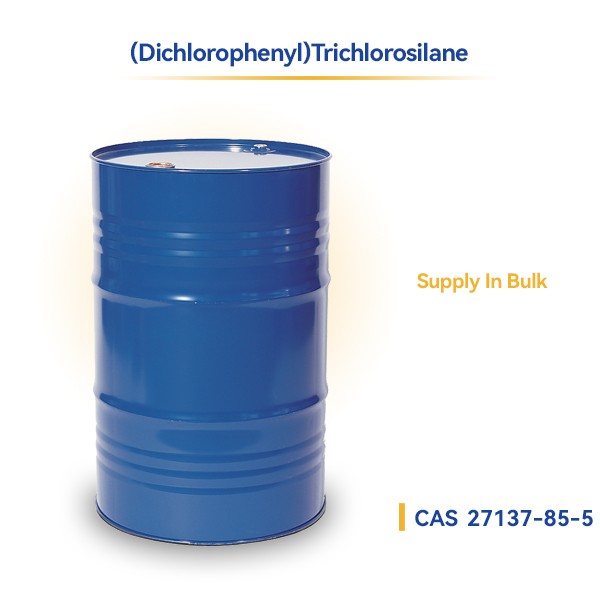
(Dichlorophenyl)Trichlorosilane CAS 27137-85-5
Aure Chemical: Trusted Source of (Dichlorophenyl)Trichlorosilane CAS 27137-85-5
(Dichlorophenyl)Trichlorosilane, with CAS 27137-85-5, aids in creating silicon-based materials. This liquid compound fits into synthesis workflows. Aure Chemical handles supply for production needs.
Basic Information
| CAS No. | 27137-85-5 |
|---|---|
| EC No. | 248-254-3 |
| Linear Formula | C6H3Cl2SiCl3 |
| Molecular Weight | 280.44 g/mol |
| Appearance | Straw colored liquid |
| Melting Point | Not available (typical reference) |
| Boiling point | 260 °C (lit.) |
| Density | 1.553 g/mL at 25 °C (lit.) |
| RIDADR | UN 1766 Class 8 Packing Group II |
| Chemical Structure | 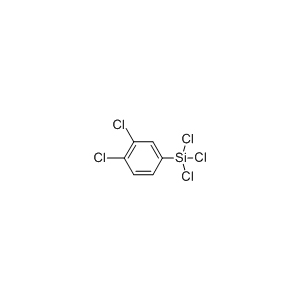 |
Key Applications
Organosilicon intermediate: Serves as a precursor for silicone resins and polymers.
Reaction component: Used in formulating specialty silicon compounds.
Surface treatment agent: Applied in modifying material surfaces for adhesion.
Polymer additive: Incorporated to improve thermal stability in plastics.
Chemical synthesis reagent: Employed in laboratory preparations of silanes.
Aure Chemical: Your Reliable Partner
Reliable product quality supported by rigorous QA procedures: Delivers consistent performance across batches.
Efficient international shipping and bulk supply capability: Meets demands for large-scale operations.
Complete SDS, COA and dangerous goods documentation available: Facilitates regulatory adherence.
Dedicated support for international chemical sourcing: Includes expert consultation on applications.
Hazards Classification
GHS Classification: Skin corrosion Category 1B (GHS05); Serious eye damage Category 1 (GHS05); Acute toxicity (oral) Category 4 (GHS07).
Hazard Statements: H314 Causes severe skin burns and eye damage; H302 Harmful if swallowed.
UN Number: 1766
Hazard Class: 8 (Corrosive)
Packing Group: II
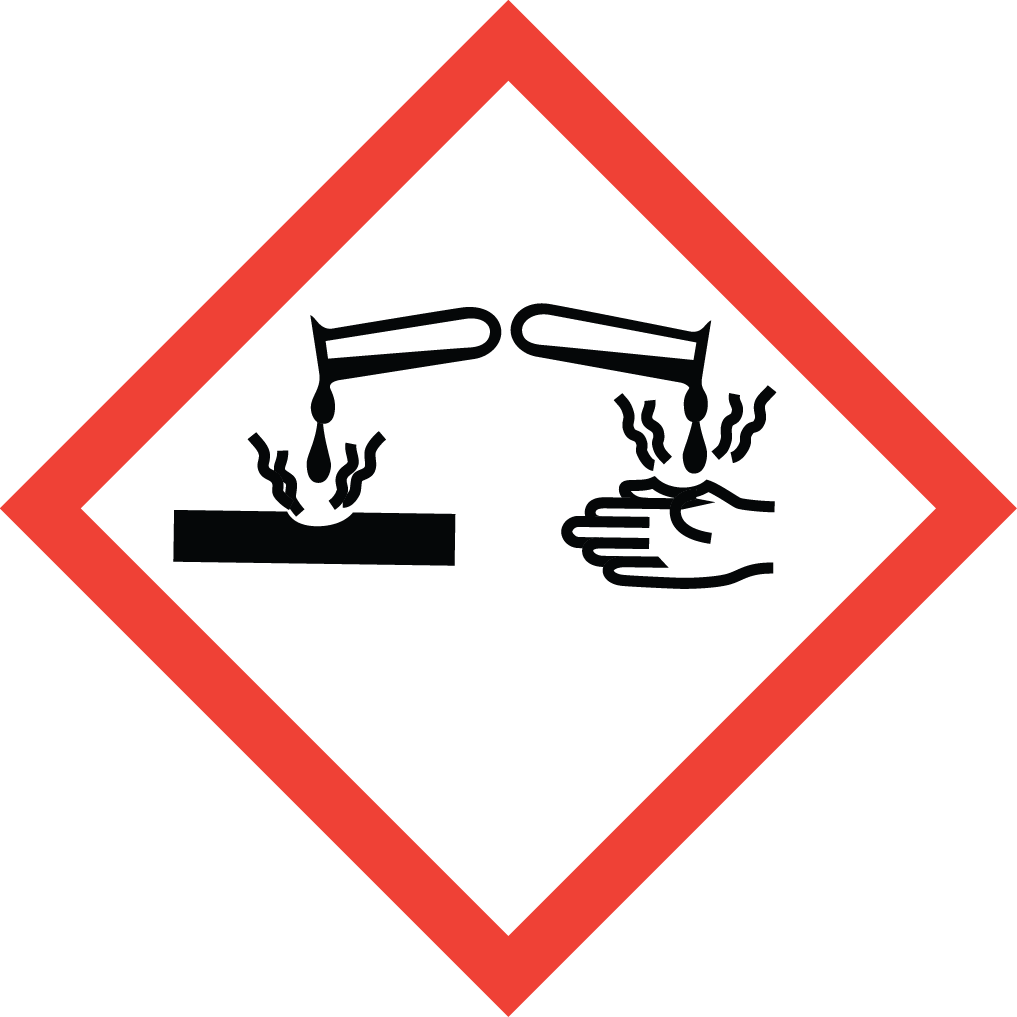

Decomposes with moisture to form hydrochloric acid. Keep in sealed containers in dry conditions. Use protective gear to avoid contact during handling.
Packaging, Logistics & Compliance Capabilities
Aure Chemical provides flexible packaging solutions, compliant logistics arrangements, and controlled storage practices to support laboratory-scale, pilot-scale, and commercial-scale global supply.
Packaging Options
- 25 kg / 50 kg bags (fiber drum, aluminum bag, HDPE drum)
- 100 kg / 200 kg steel or HDPE drums
- 500 kg / 1000 kg IBC containers
- Bulk liquids in ISO tank containers
- Customized packaging upon request
Transportation Modes
- Sea freight (FCL / LCL)
- Air freight for selected products
- Road and rail transportation
- Dangerous & non-dangerous cargo handling
- Incoterms: EXW, FOB, CFR, CIF, DAP, DDP
Storage & Handling
- Dry, cool, and well-ventilated warehouses
- Segregation by hazard class
- FIFO inventory management
- Temperature-controlled storage if required
- Regular inspection & labeling control
Documentation & Compliance
- Safety Data Sheet (SDS)
- Certificate of Analysis (COA)
- Dangerous Goods Declaration (DGD)
- Packing List & Commercial Invoice
- IMDG / IATA / ADR compliant labeling
For packaging customization or logistics consultation, please contact us.