
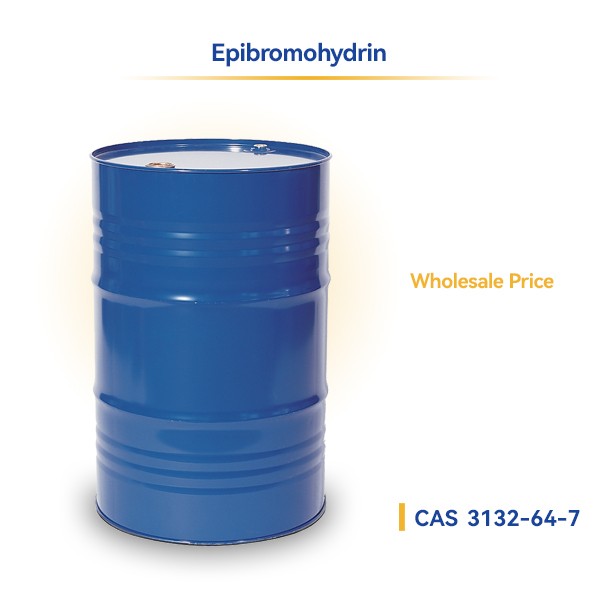
Epibromohydrin CAS 3132-64-7
Aure Chemical: Trusted Source of Epibromohydrin CAS 3132-64-7
Epibromohydrin serves as a bifunctional reagent combining an epoxide ring with a bromomethyl group, enabling diverse synthetic transformations. This compound finds broad application where selective alkylation or ring-opening reactions are required in fine chemical and active ingredient production.
Basic Information
| CAS No. | 3132-64-7 |
|---|---|
| EC No. | 221-525-3 |
| Linear Formula | BrCH2CH(O)CH2 |
| Molecular Weight | 136.98 |
| Appearance | Colorless to light yellow liquid |
| Melting Point | -40 °C (lit.) |
| Boiling point | 134-136 °C (lit.) |
| Density | 1.601 g/mL at 25 °C (lit.) |
| RIDADR | UN 2558 Class 6.1, PG I |
| Chemical Structure | 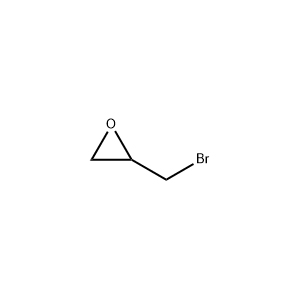 |
Key Applications
Alkylating Agent in Organic Synthesis: Versatile bifunctional reagent for introducing glycidyl or bromohydrin groups in multi-step syntheses of complex molecules.
Pharmaceutical Intermediate: Important precursor in the preparation of beta-blockers, antihypertensive agents, and other bioactive compounds.
Agrochemical Intermediate: Used in the synthesis of specialized crop protection products and pesticides.
Polymer and Material Modification: Employed for crosslinking or functionalization in resins, polyamines, and specialty polymers.
Fine Chemical Production: Applied in the creation of cyclic carbonates, flame retardants, and advanced synthetic intermediates.
Safety and Storage
Epibromohydrin is highly reactive, flammable, toxic, and corrosive, requiring careful handling to prevent exposure or unintended reactions. Use full protective equipment in a fume hood and avoid contact with water or strong bases. Store under inert atmosphere in tightly sealed containers in a cool, dry, well-ventilated facility separated from incompatible substances.
Aure Chemical: Your Reliable Partner
High Purity & Batch Reliability: Strict analytical controls maintain consistent ≥98% purity with comprehensive COA for every shipment.
Dependable Worldwide Delivery: Established logistics ensure secure transport of bulk quantities to international destinations.
Regulatory & Safety Documentation: Full SDS, transport declarations for UN 2558, and compliance papers supplied to meet global requirements.
Specialized Technical Service: Knowledgeable team provides guidance on safe use, reaction conditions, and tailored packaging options.
Hazards Classification
GHS Classification: Flammable Liquid Category 3 (GHS02), Acute Toxicity Category 3 (Oral, Dermal, Inhalation - GHS06), Skin Corrosion Category 1B / Eye Damage Category 1 (GHS05), Skin Sensitization Category 1, Carcinogenicity Category 2, Specific Target Organ Toxicity Single Exposure Category 3 (respiratory irritation - GHS08).
Hazard Statements: H226 (Flammable liquid and vapor), H301+H311+H331 (Toxic if swallowed, in contact with skin or if inhaled), H314 (Causes severe skin burns and eye damage), H317 (May cause an allergic skin reaction), H335 (May cause respiratory irritation), H351 (Suspected of causing cancer).
UN Number: UN 2558
Hazard Class: 6.1 (Toxic substances)
Packing Group: I




Packaging, Logistics & Compliance Capabilities
Aure Chemical provides flexible packaging solutions, compliant logistics arrangements, and controlled storage practices to support laboratory-scale, pilot-scale, and commercial-scale global supply.
Packaging Options
- 25 kg / 50 kg bags (fiber drum, aluminum bag, HDPE drum)
- 100 kg / 200 kg steel or HDPE drums
- 500 kg / 1000 kg IBC containers
- Bulk liquids in ISO tank containers
- Customized packaging upon request
Transportation Modes
- Sea freight (FCL / LCL)
- Air freight for selected products
- Road and rail transportation
- Dangerous & non-dangerous cargo handling
- Incoterms: EXW, FOB, CFR, CIF, DAP, DDP
Storage & Handling
- Dry, cool, and well-ventilated warehouses
- Segregation by hazard class
- FIFO inventory management
- Temperature-controlled storage if required
- Regular inspection & labeling control
Documentation & Compliance
- Safety Data Sheet (SDS)
- Certificate of Analysis (COA)
- Dangerous Goods Declaration (DGD)
- Packing List & Commercial Invoice
- IMDG / IATA / ADR compliant labeling
For packaging customization or logistics consultation, please contact us.