
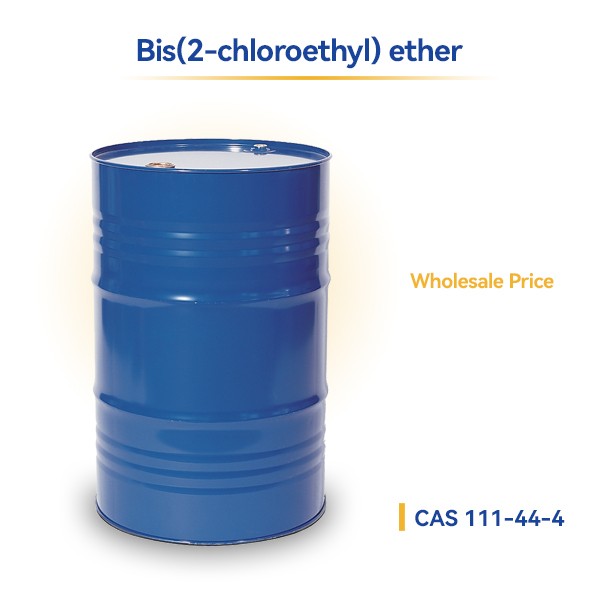
Bis(2-chloroethyl) ether CAS 111-44-4
High-Purity Bis(2-chloroethyl) Ether CAS 111-44-4 from Aure Chemical: Stable Supply & Compliance
Bis(2-chloroethyl) ether is a colorless chlorinated ether with a characteristic solvent odor. It is used as a reactive intermediate and as a process solvent, and it must be handled as a highly toxic, combustible liquid. Aure Chemical supplies Bis(2-chloroethyl) ether (CAS 111-44-4) to industrial and synthesis customers who need documented quality and Class 6.1 transport paperwork.
Basic Information of Bis(2-chloroethyl) Ether
The constants below follow widely cited catalog and ICSC values. Confirm assay, peroxide status and the current SDS before use, especially if the material will be distilled or held in storage.
| CAS No. | 111-44-4 |
|---|---|
| EC No. | 203-870-1 |
| Linear Formula | (ClCH2CH2)2O |
| Molecular Weight | 143.01 |
| Appearance | Colorless liquid with a chlorinated-solvent odor |
| Melting Point | −47 °C (lit.) |
| Boiling point | 178 °C (lit.) |
| Density | 1.22 g/mL at 25 °C (lit.) |
| RIDADR | UN 1916 6.1 (3)/PG II |
| Chemical Structure | 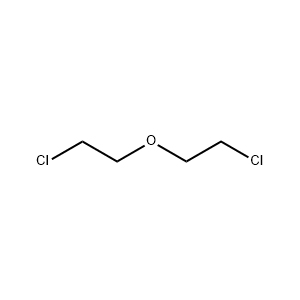 |
Key Applications of Bis(2-chloroethyl) Ether
Chemical intermediate: The principal industrial use is as a bifunctional chloroethyl ether building block for further organic synthesis, including pesticide intermediates and other chlorinated derivatives.
Process and extraction solvent: It has been used as a selective solvent for oils, resins and related organics, including lubricating-oil treating and extraction of fats where a chlorinated ether medium is specified.
Crown-ether and specialty synthesis: In the presence of base it is used with catechol to prepare dibenzo-18-crown-6 and related macrocycles, and it appears in other ring-forming or alkylating sequences.
Coatings and textile process chemistry: Smaller volumes have been used in paints, varnishes, lacquers, finish removers and textile scouring or fulling formulations that require a chlorinated ether solvent.
Crosslinking and downstream organics: The two chloroethyl groups allow use as a crosslinking or alkylating intermediate in selected polymer-related and fine-chemical routes.
Aure Chemical: Your Reliable Partner for Bis(2-chloroethyl) Ether Supply
Assay-controlled toxic intermediate quality: Lots are supplied against defined purity expectations so synthesis users receive a consistent chloroethyl ether rather than a peroxide-aged or off-spec material.
Class 6.1 dual-hazard logistics: Export is coordinated through channels experienced with UN 1916 packing, subsidiary Class 3 risk and destination rules for this toxic, combustible liquid.
SDS and high-toxicity documentation: SDS, COA and dangerous-goods papers are available to support industrial purchasing, incoming QA and regulatory handling of this acutely toxic ether.
Sealed-pack and peroxide-check guidance: Assistance is available on tight containers, storage away from light and air, and shipment planning from research packs to larger industrial quantities.
Hazards Classification
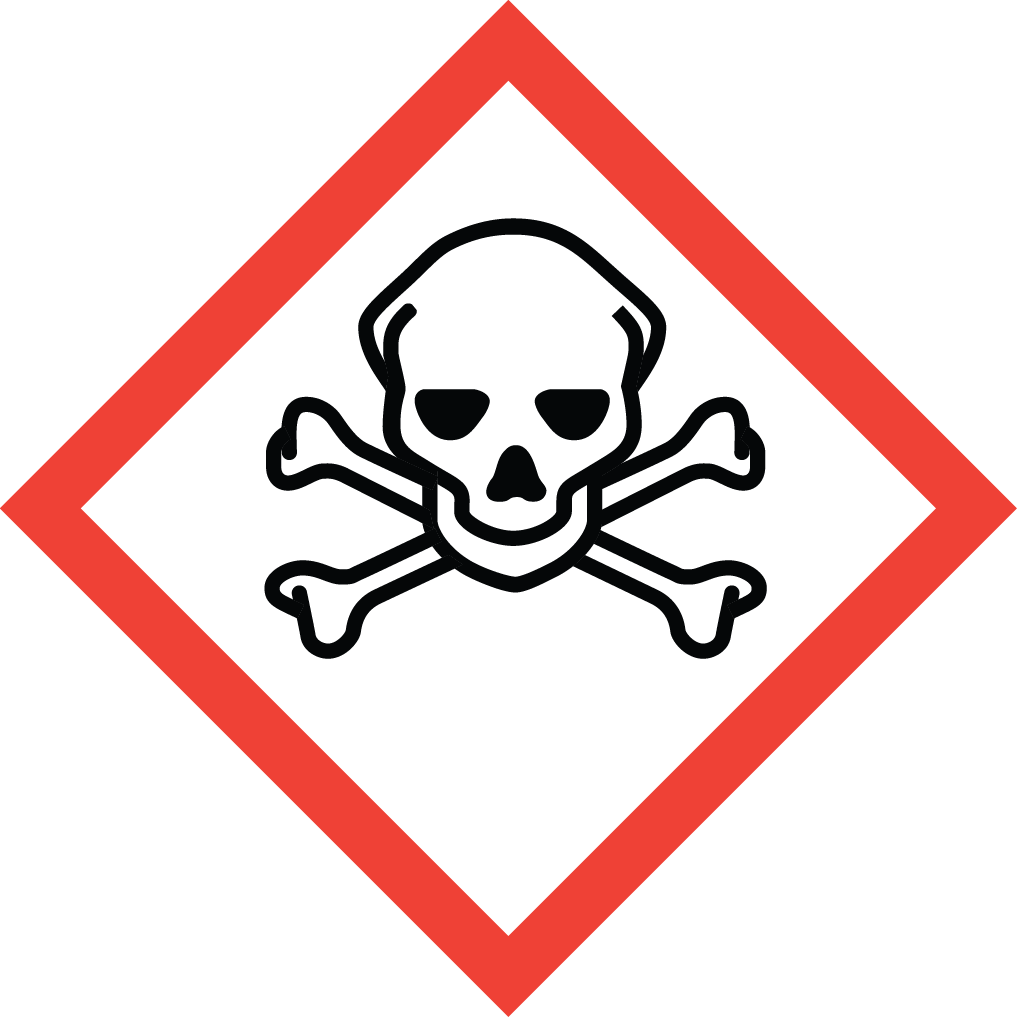
GHS Classification: Flammable liquid (Category 3, GHS02); Acute toxicity, oral, dermal and inhalation (Category 1/2, GHS06); Carcinogenicity (Category 2, GHS08). Harmonized CLP labelling identifies the substance as fatal if swallowed, in contact with skin or if inhaled, and suspected of causing cancer.
Hazard Statements: H226 Flammable liquid and vapor; H300 + H310 + H330 Fatal if swallowed, in contact with skin or if inhaled; H351 Suspected of causing cancer. The liquid can form peroxides on exposure to air and light and decomposes to hydrogen chloride on burning or contact with water.
UN Number: UN 1916 (2,2'-DICHLORODIETHYL ETHER)
Hazard Class: 6.1 (Toxic substances), subsidiary risk 3 (Flammable liquid)
Packing Group: II


Packaging, Logistics & Compliance Capabilities
Aure Chemical provides flexible packaging solutions, compliant logistics arrangements, and controlled storage practices to support laboratory-scale, pilot-scale, and commercial-scale global supply.
Packaging Options
- 25 kg / 50 kg bags (fiber drum, aluminum bag, HDPE drum)
- 100 kg / 200 kg steel or HDPE drums
- 500 kg / 1000 kg IBC containers
- Bulk liquids in ISO tank containers
- Customized packaging upon request
Transportation Modes
- Sea freight (FCL / LCL)
- Air freight for selected products
- Road and rail transportation
- Dangerous & non-dangerous cargo handling
- Incoterms: EXW, FOB, CFR, CIF, DAP, DDP
Storage & Handling
- Dry, cool, and well-ventilated warehouses
- Segregation by hazard class
- FIFO inventory management
- Temperature-controlled storage if required
- Regular inspection & labeling control
Documentation & Compliance
- Safety Data Sheet (SDS)
- Certificate of Analysis (COA)
- Dangerous Goods Declaration (DGD)
- Packing List & Commercial Invoice
- IMDG / IATA / ADR compliant labeling
For packaging customization or logistics consultation, please contact us.