

Allyl methacrylate CAS 96-05-9
Allyl Methacrylate (AMA), CAS 96-05-9
Allyl methacrylate (AMA), also known as methacrylic acid allyl ester, is a bifunctional monomer containing methacrylate and allyl double bonds. The difference in their reactivity supports its use in crosslinking and graft copolymerization, including acrylic resin and polymer modifier production. Aure Chemical sources MEHQ-stabilized allyl methacrylate from China for industrial customers and coordinates specification review, quality documentation, and export logistics.
Basic Information
| CAS No. | 96-05-9 |
|---|---|
| EC No. | 202-473-0 |
| Molecular Formula | C₇H₁₀O₂ |
| Condensed Structural Formula | CH₂=C(CH₃)COOCH₂CH=CH₂ |
| Molar Mass | 126.15 g/mol |
| Appearance | Colorless to almost colorless clear liquid |
| Melting Point | Approximately −65 °C (reference property) |
| Boiling Point | 64 °C at 50 mmHg (reduced-pressure reference value) |
| Relative Density | Approximately 0.93 at 20 °C relative to water at 20 °C |
| Stabilization | MEHQ inhibitor. See the reported concentration below. |
| Chemical Structure |  |
Reference Quality Analysis
MEHQ-Stabilized Grade (Reported Purity ≥99.5%)
The following quality parameters provide a reference for evaluating allyl methacrylate purity, APHA color, acidity as methacrylic acid, moisture, and MEHQ inhibitor content. Inhibitor concentration is a purchasing consideration alongside monomer purity when reviewing material for a polymerization process.
| Test Item | Reported Specification | Reference Result |
|---|---|---|
| Purity, % | ≥99.5 | 99.83 |
| Color, APHA | ≤10 | 10 |
| Acidity (as methacrylic acid, MAA), % | ≤0.02 | 0.001 |
| Moisture, % | ≤0.02 | 0.01 |
| MEHQ inhibitor, ppm | 20±5 | 20 |
These results describe one production lot and are provided for preliminary technical evaluation. Before ordering, confirm the applicable specifications, inhibitor concentration, and test methods with Aure Chemical and request the relevant batch-specific Certificate of Analysis (COA).
Key Applications
Crosslinking monomer in polymer production. AMA is used in acrylic and methacrylic polymer systems to introduce branching or crosslinks. Its methacrylate and allyl double bonds have different reactivities, making the polymer structure dependent on monomer concentration and polymerization conditions.
Graft copolymerization and polymer modification. Under suitable reaction conditions, polymerization through the methacrylate group can leave allyl functionality available for subsequent reactions. This supports staged crosslinking and grafting in functional polymer synthesis.
Emulsion polymers and impact modifiers. AMA is used in selected core-shell polymer architectures, including impact modifiers for plastics and rubber. Monomer feed and reaction conditions are selected for the intended particle structure.
Coating and adhesive resin development. AMA can be incorporated during the preparation of selected polymer binders and resin modifiers. Evaluate the resulting crosslink density, film properties, and process compatibility in the intended formulation.
Allyl Methacrylate Sourcing and Export Support
Specification review. Aure Chemical reviews the available purity, color, acidity, moisture, and inhibitor specifications against the buyer's requirements for the proposed grade.
Quality documentation. Request the applicable product specification, current Safety Data Sheet (SDS), and batch-specific COA for review.
Supplier and export coordination. Confirm availability, packaging, order quantity, lead time, and dangerous goods shipping arrangements for the destination.
Storage information. Aure Chemical can coordinate supplier clarification of the inhibitor system, storage instructions, and applicable shelf life for the offered material.
Safety, Handling and Documentation
Published SDS for allyl methacrylate identify flammability, acute toxicity, repeated-exposure organ toxicity, and hazards to aquatic life. Review the current SDS for the supplied grade to confirm the applicable classifications, hazard statements, protective measures, and transport requirements.
Safety references describe the material as flammable, harmful if swallowed, toxic in contact with skin, and fatal if inhaled. Follow the supplied SDS for exposure controls and protective equipment, and prevent releases to drains and the environment.
Allyl methacrylate can undergo hazardous polymerization. MEHQ inhibition depends on suitable storage conditions and oxygen availability. Follow the product-specific SDS and supplier instructions for temperature, protection from heat and light, oxygen requirements, and shelf life.
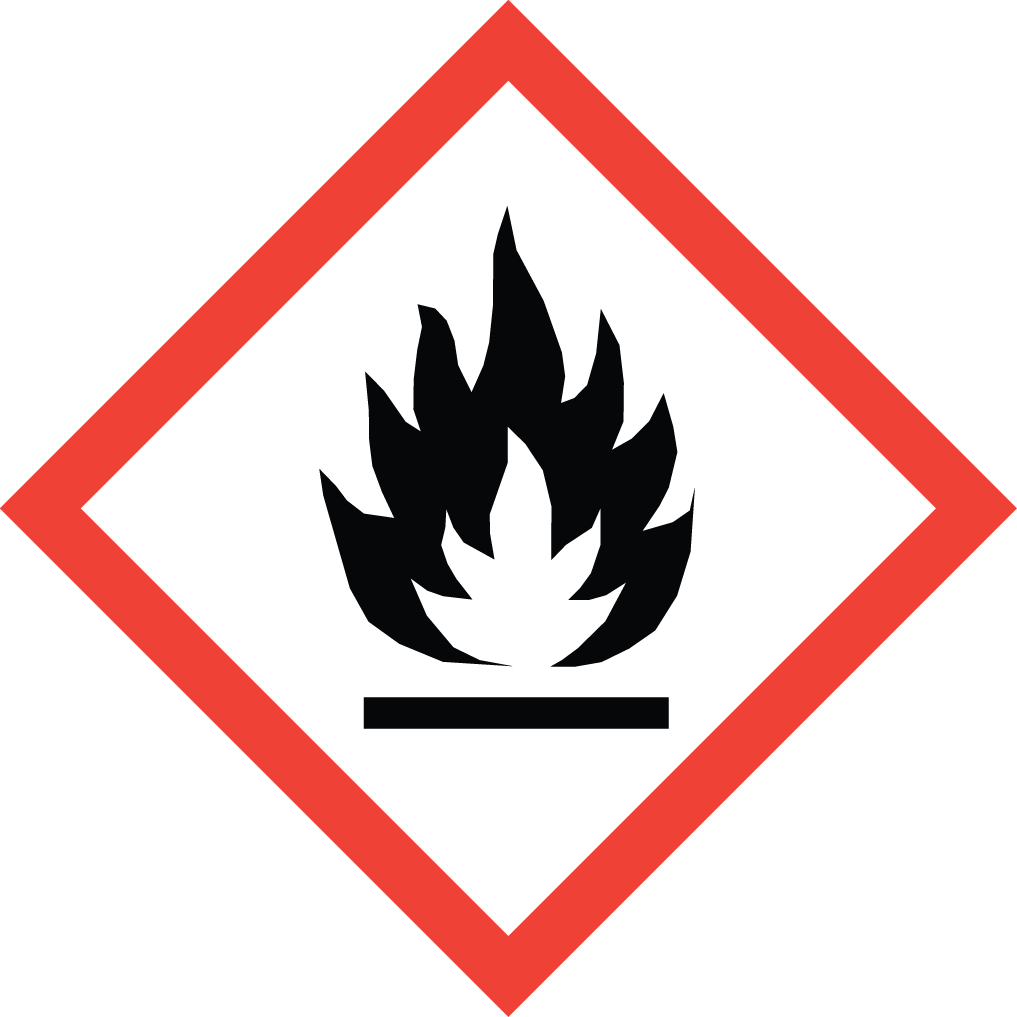
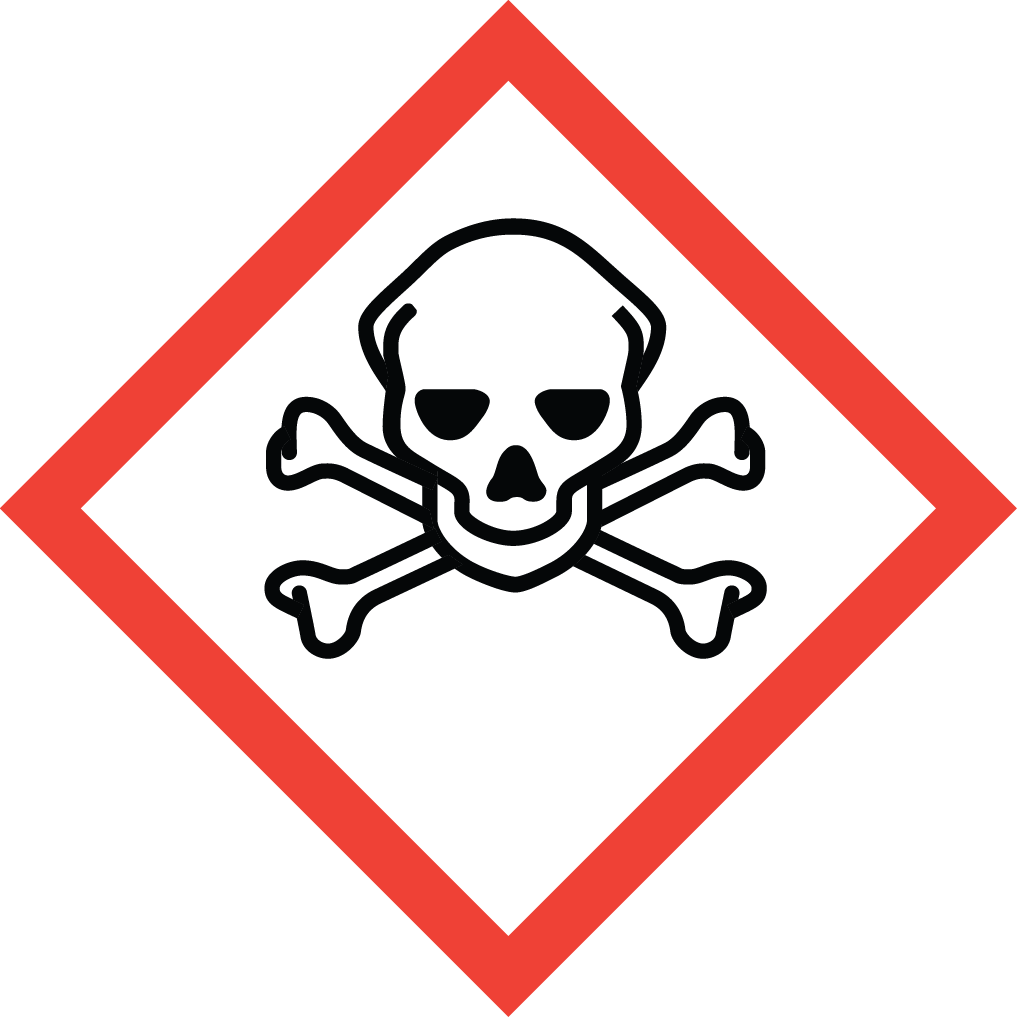
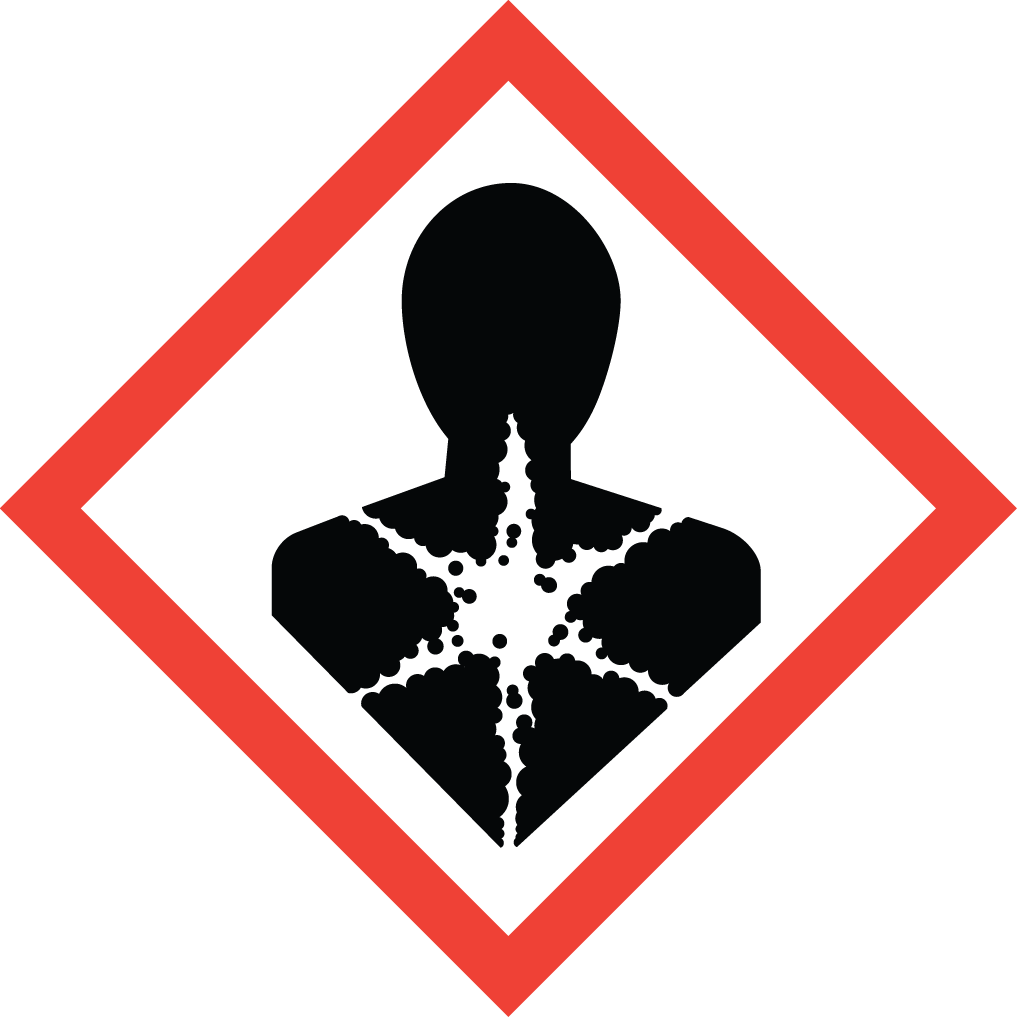
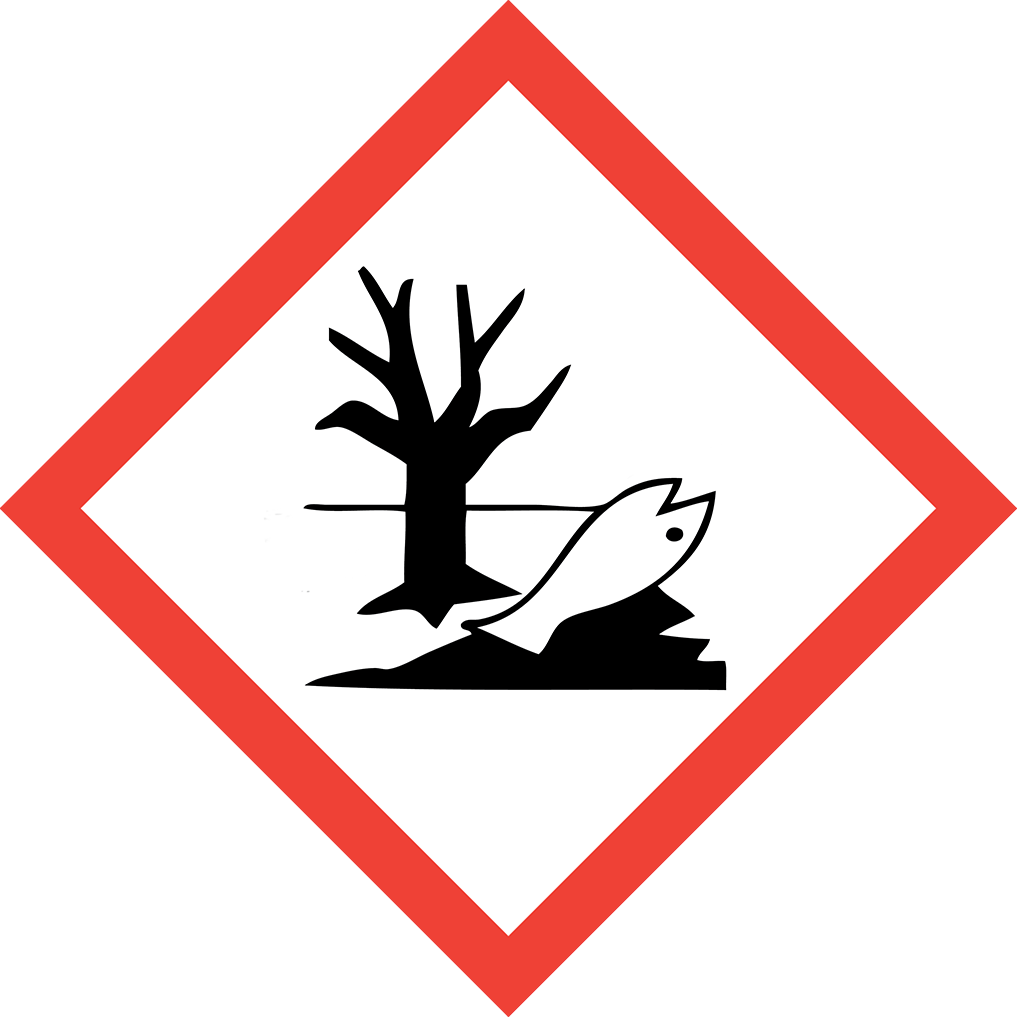
Transport reference for stabilized allyl methacrylate is UN 2929, Class 6.1 with subsidiary risk 3, Packing Group II. Confirm the shipping description and requirements against the current SDS for the offered material and transport mode.
Packaging
200 L HDPE drum
Final packaging, capacity and net weight are confirmed in the quotation and order.