
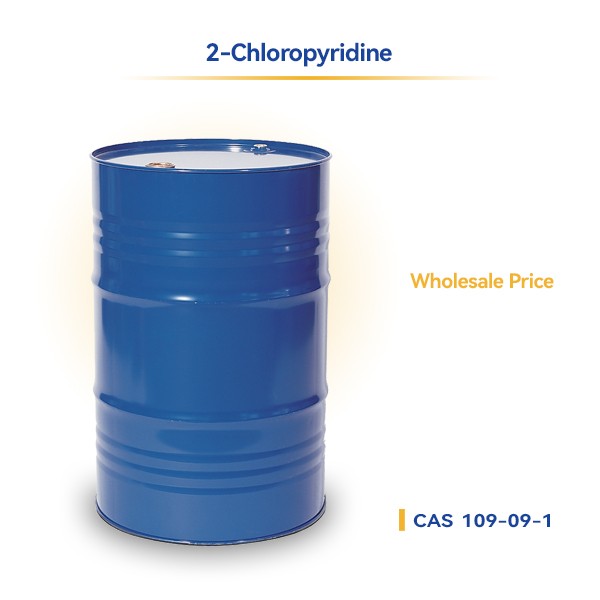
2-Chloropyridine CAS 109-09-1
High-Purity 2-Chloropyridine CAS 109-09-1 from Aure Chemical: Stable Supply & Compliance
2-Chloropyridine is a halogenated heterocyclic compound that serves as a versatile building block for introducing the pyridine moiety into more complex molecules. Its reactive chlorine atom enables a range of nucleophilic substitution and cross-coupling reactions widely used in fine chemical manufacturing.
Basic Information
| CAS No. | 109-09-1 |
|---|---|
| EC No. | 203-646-3 |
| Linear Formula | C5H4ClN |
| Molecular Weight | 113.54 g/mol |
| Appearance | Colorless to pale yellow liquid |
| Melting Point | -46 °C (lit.) |
| Boiling point | 170 °C (lit.) |
| Density | 1.2 g/mL at 20 °C (lit.) |
| RIDADR | UN 2822 Class 6.1 / PG II |
| Chemical Structure | 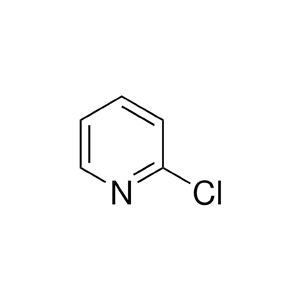 |
Key Applications
Key intermediate in pharmaceutical synthesis: Serves as a primary building block for active pharmaceutical ingredients and intermediates containing the pyridine ring, including antihistamines and other therapeutic compounds.
Building block for agrochemical production: Widely employed in the synthesis of pesticides, herbicides, and other crop protection agents that incorporate the 2-chloropyridine moiety.
Versatile reagent in organic synthesis: Used for nucleophilic aromatic substitution and palladium-catalyzed cross-coupling reactions to prepare a broad range of functionalized pyridine derivatives in fine chemical manufacturing.
Component in dye and specialty chemical production: Applied in the preparation of heterocyclic dyes, pigments, and other specialty chemicals requiring a pyridine core structure.
Laboratory and research applications: Utilized in academic and industrial research laboratories for developing new heterocyclic compounds and studying substitution patterns on the pyridine ring.
Aure Chemical: Your Reliable Partner
Reliable product quality supported by rigorous QA procedures: Every batch of 2-Chloropyridine undergoes thorough analytical verification to meet strict purity specifications required for pharmaceutical and agrochemical intermediate applications.
Efficient international shipping and bulk supply capability: We maintain stable inventory levels and coordinate specialized logistics for the safe transport of toxic chemical intermediates to customers across global markets.
Complete SDS, COA and dangerous goods documentation available: Full regulatory documentation, including up-to-date safety data sheets and certificates of analysis, is provided to support compliance and smooth customs clearance worldwide.
Dedicated support for international chemical sourcing: Our technical team offers responsive assistance with product specifications, packaging recommendations, and shipment planning tailored to hazardous material requirements.
Hazards Classification
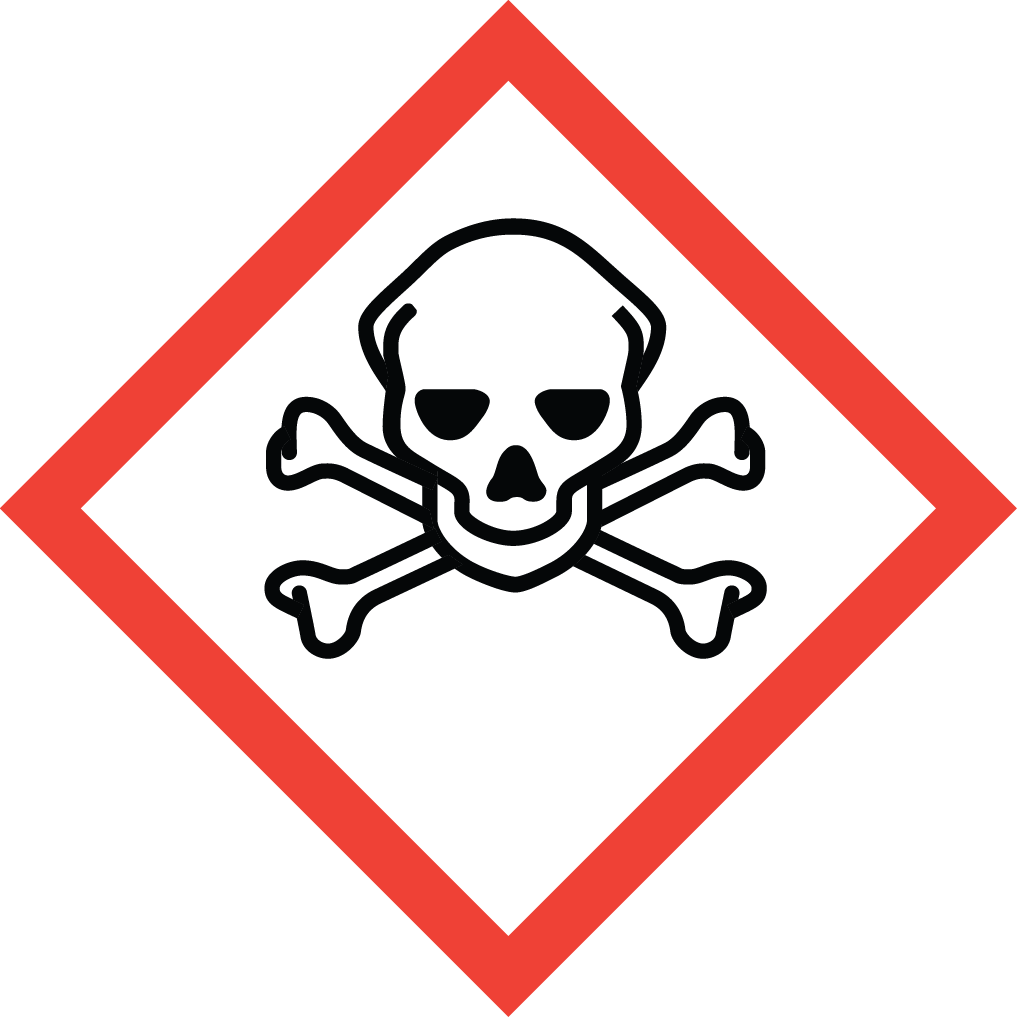
GHS Classification: Acute toxicity Category 3 (oral, dermal, inhalation) (GHS06); Skin irritation Category 2 (GHS07); Eye irritation Category 2 (GHS07).
Hazard Statements: H301 - Toxic if swallowed; H311 - Toxic in contact with skin; H331 - Toxic if inhaled; H315 - Causes skin irritation; H319 - Causes serious eye irritation.
UN Number: UN 2822; Hazard Class: 6.1; Packing Group: II.

Packaging
200 L steel drum
Final packaging, capacity and net weight are confirmed in the quotation and order.