
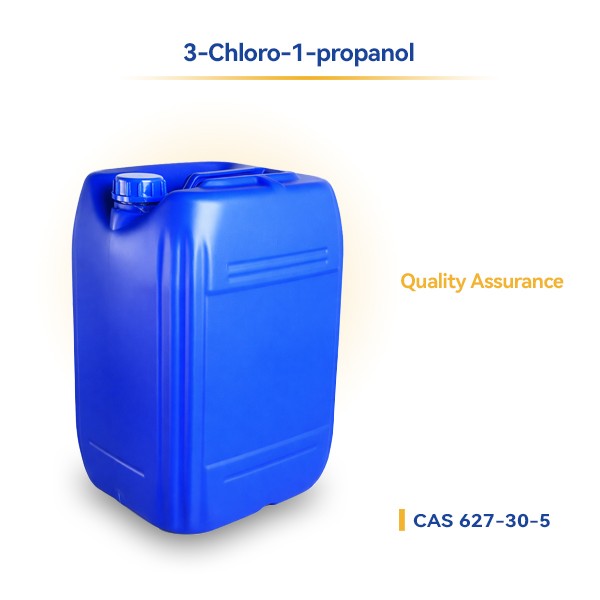
3-Chloro-1-propanol CAS 627-30-5
High-Purity 3-Chloro-1-propanol CAS 627-30-5 from Aure Chemical: Stable Supply & Compliance
3-Chloro-1-propanol (CAS 627-30-5) is a chloro-functionalized alcohol used extensively as a reactive intermediate in organic synthesis. It provides a convenient route for introducing hydroxypropyl groups into target molecules through nucleophilic substitution or esterification. Aure Chemical maintains consistent quality standards and full regulatory documentation to support fine chemical production and process development worldwide.
Basic Information
| CAS No. | 627-30-5 |
|---|---|
| EC No. | 210-992-9 |
| Linear Formula | Cl(CH2)3OH |
| Molecular Weight | 94.54 |
| Appearance | Colorless liquid |
| Melting Point | -20 °C (lit.) |
| Boiling point | 160-162 °C (lit.) |
| Density | 1.131 g/mL at 25 °C (lit.) |
| RIDADR | UN 2849 Class 6.1 PG III |
| Chemical Structure | 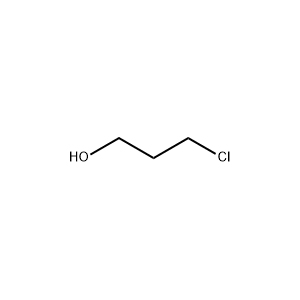 |
Key Applications
Organic synthesis intermediate: Acts as a versatile building block for nucleophilic substitution reactions to construct hydroxypropyl-linked compounds in complex organic molecules.
Pharmaceutical intermediate: Widely applied in the preparation of active pharmaceutical ingredients and drug precursors requiring specific chloro-hydroxy functionality.
Polymer and resin production: Serves as a reactive component in the manufacture of specialty polymers, resins and plastic additives.
Fine chemical synthesis: Utilized in the production of agrochemicals and other high-value specialty chemicals through controlled functionalization.
Laboratory research: Commonly employed in R&D laboratories for route scouting, reaction optimization and custom synthesis projects.
Aure Chemical: Your Reliable Partner
Consistent product quality: High-purity specifications are maintained through rigorous in-house testing and batch-to-batch consistency checks suitable for demanding synthesis applications.
Stable international supply: Reliable inventory and established logistics networks ensure timely delivery for laboratory, pilot and commercial-scale requirements worldwide.
Safety documentation and compliance: Full SDS, COA and transport documentation are supplied with every shipment to meet international regulatory standards.
Technical support and packaging: Expert assistance with packaging selection including 1 kg to 25 kg options and responsive technical communication for customer-specific needs.
Hazards Classification
GHS Classification: Acute Toxicity (Oral) Category 4, Skin Irritation Category 2, Eye Irritation Category 2A.
Hazard Statements: H302 - Harmful if swallowed; H315 - Causes skin irritation; H319 - Causes serious eye irritation.
UN Number: UN 2849
Hazard Class: 6.1
Packing Group: III

Packaging, Logistics & Compliance Capabilities
Aure Chemical provides flexible packaging solutions, compliant logistics arrangements, and controlled storage practices to support laboratory-scale, pilot-scale, and commercial-scale global supply.
Packaging Options
- 25 kg / 50 kg bags (fiber drum, aluminum bag, HDPE drum)
- 100 kg / 200 kg steel or HDPE drums
- 500 kg / 1000 kg IBC containers
- Bulk liquids in ISO tank containers
- Customized packaging upon request
Transportation Modes
- Sea freight (FCL / LCL)
- Air freight for selected products
- Road and rail transportation
- Dangerous & non-dangerous cargo handling
- Incoterms: EXW, FOB, CFR, CIF, DAP, DDP
Storage & Handling
- Dry, cool, and well-ventilated warehouses
- Segregation by hazard class
- FIFO inventory management
- Temperature-controlled storage if required
- Regular inspection & labeling control
Documentation & Compliance
- Safety Data Sheet (SDS)
- Certificate of Analysis (COA)
- Dangerous Goods Declaration (DGD)
- Packing List & Commercial Invoice
- IMDG / IATA / ADR compliant labeling
For packaging customization or logistics consultation, please contact us.